New NAGA2000 Rules Every Safari Traveler Must Follow in 2026
Introduction to NAGA2000 and Kidepo Valley National Park
For travelers seeking an authentic African safari experience, Kidepo Valley National Park in Uganda stands out as a hidden gem. With its stunning landscapes, diverse wildlife, and relative seclusion from the hustle and bustle of more popular parks, Kidepo offers an unparalleled adventure. Facilitating this journey is NAGA2000, a trusted guide for adventurers eager to explore Uganda’s untamed wilderness. This article provides a detailed overview of what makes Kidepo Valley a must-visit destination and how to best prepare for your safari with NAGA2000.
What is NAGA2000?
NAGA2000 is a comprehensive travel service dedicated to creating memorable safari experiences in Uganda, specifically focusing on Kidepo Valley National Park. Leveraging deep local expertise, it offers tailored safari packages, knowledgeable guides, and logistical support to ensure travelers make the most of their time in the wild. The team at NAGA2000 understands that a successful safari is not just about witnessing wildlife but also about immersing oneself in the local culture and environment.
Overview of Kidepo Valley National Park
Kidepo Valley National Park, established in 1962, spans an impressive 1,442 square kilometers and is situated in the northeastern corner of Uganda, bordering South Sudan and Kenya. This strategic location provides a unique blend of ecosystems, from open savannahs to rugged mountains, creating a home for a staggering variety of wildlife. Boasting more than 77 species of mammals, including the majestic African elephant, Rothschild’s giraffe, and the elusive cheetah, Kidepo is a haven for nature lovers and photographers alike. The park is also renowned for its vibrant birdlife, with over 475 recorded species, making it a prime spot for avid bird watchers.
Why Choose Kidepo for Your Safari?
Choosing Kidepo Valley National Park for your safari offers several compelling advantages. First and foremost, its remote location means it remains less frequented by tourists, allowing for a more intimate experience with nature. The breathtaking landscapes, characterized by dramatic vistas and unique geological formations, serve as stunning backdrops for wildlife photography. Furthermore, Kidepo’s diverse habitats support a wide array of animals not commonly found in other parks, ensuring that each safari is a unique adventure filled with opportunities to encounter rare species in their natural habitats.
Planning Your Safari with NAGA2000
Understanding the Best Travel Seasons
The optimal time to visit Kidepo Valley National Park is during the dry seasons, which typically run from June to September and December to February. During these months, wildlife congregates around water sources, providing excellent viewing opportunities. The weather is generally pleasant, with less rain and more sunshine, which enhances the safari experience. However, it is crucial to check specific conditions and wildlife movements as they can vary year by year.
Essential Packing Tips for Kidepo Valley
Packing for a safari in Kidepo requires careful consideration to ensure comfort and safety. Key items to include are:
- Lightweight clothing: Breathable, neutral-colored clothing is ideal for daytime safaris.
- Sturdy footwear: Comfortable shoes are a must for walking safaris and uneven terrain.
- Sunscreen and a hat: The sun can be intense, so protection from UV rays is essential.
- Binoculars: These enhance wildlife viewing opportunities, especially for birds.
- Insect repellent: Essential for avoiding bites during evening outings.
How to Book Safaris with NAGA2000
Booking a safari with NAGA2000 is simple and straightforward. Prospective travelers can visit the official website, where they’ll find a variety of safari packages tailored to different interests and budgets. NAGA2000 also offers personalized itineraries, allowing for flexibility to cater to individual preferences. Once a package is chosen, travelers can complete their booking online, ensuring a hassle-free planning experience.
Activities and Experiences at Kidepo Valley
Game Drives: What to Expect
Game drives are the cornerstone of any safari experience in Kidepo Valley, designed to maximize wildlife encounters. Conducted at various times of the day, including early morning and late afternoon, these drives allow visitors to witness animals in their most active phases. Guided by knowledgeable local rangers, participants learn about different species’ behaviors and habitats, enhancing their understanding and appreciation of the ecosystem.
Walking Safaris: A Closer Look at Nature
For those seeking a more immersive experience, walking safaris offer an unparalleled connection to the land. Led by experienced guides, these excursions allow participants to explore trails less traveled, providing insight into the smaller details of nature, from tracks and scat to the unique flora of the park. Walking safaris are not just about observing wildlife; they encompass the entire environment, fostering a deeper appreciation for Uganda’s natural beauty.
Cultural Encounters: Engaging with the Karamojong
A safari in Kidepo Valley also presents an excellent opportunity to engage with local communities, particularly the Karamojong people. Visitors can participate in cultural visits, where they can learn about traditional lifestyles, customs, and crafts. Engaging with the Karamojong provides a richer context for the safari experience, bridging the gap between wildlife and human culture and fostering mutual respect and understanding.
Safety and Preparation for Your Safari
Health Precautions to Take
Travelers should prioritize health and safety when planning a safari. It’s advisable to consult a healthcare provider regarding vaccinations and preventative medications, such as antimalarial drugs. Staying hydrated is essential, especially in the heat, so bringing a refillable water bottle is recommended to cut down on plastic use.
Wildlife Safety Tips to Follow
Respect for wildlife is paramount during a safari. Travelers should adhere to guidelines set by guides, including maintaining a safe distance from animals and refraining from feeding wildlife. It’s also essential to stay within vehicles during game drives, as this reduces the risk of wildlife encounters that could lead to injury or accidents.
Understanding Local Regulations and Guidelines
Each national park has its own set of regulations aimed at conserving wildlife and protecting the environment. Familiarizing oneself with these rules not only complies with local laws but also contributes to the sustainability of safari tourism. NAGA2000 ensures that travelers are briefed on these guidelines before commencing their adventures, promoting responsible tourism practices.
Future of Safari Tourism in Uganda: Trends for 2026
Emerging Eco-Tourism Practices
As the demand for eco-friendly travel options grows, safari tourism in Uganda is evolving. Initiatives aimed at reducing the impact of tourism on ecosystems are being introduced. This includes promoting sustainable lodges that utilize renewable energy and support local communities. Eco-tourism practices also focus on educating visitors about conservation, ensuring that safari experiences contribute positively to the environment.
Technological Innovations in Wildlife Monitoring
The integration of technology in wildlife monitoring is transforming how safaris are conducted. Drones and camera traps are being used to track animal movements, providing invaluable data that can help in conservation efforts. Additionally, mobile apps are emerging to offer real-time updates on wildlife sightings, enhancing the safari experience for visitors and allowing for more informed planning of excursions.
The Role of NAGA2000 in Sustainable Tourism
NAGA2000 is committed to promoting sustainable tourism practices that benefit both travelers and local communities. By partnering with community guides and local businesses, NAGA2000 helps ensure that safari tourism supports the economy while preserving the natural environment. Their emphasis on responsible travel encourages clients to engage with conservation initiatives, making every safari a chance to contribute positively to Uganda’s wildlife and cultural heritage.
What are the best times to visit Kidepo Valley National Park?
The best times to visit Kidepo Valley National Park are during the dry seasons from June to September and December to February, when wildlife viewing is at its peak due to fewer water sources.
How can I book a safari with NAGA2000?
Booking a safari with NAGA2000 is straightforward through their website, offering a variety of customizable safari packages and user-friendly booking procedures.
What wildlife can I expect to see at Kidepo Valley?
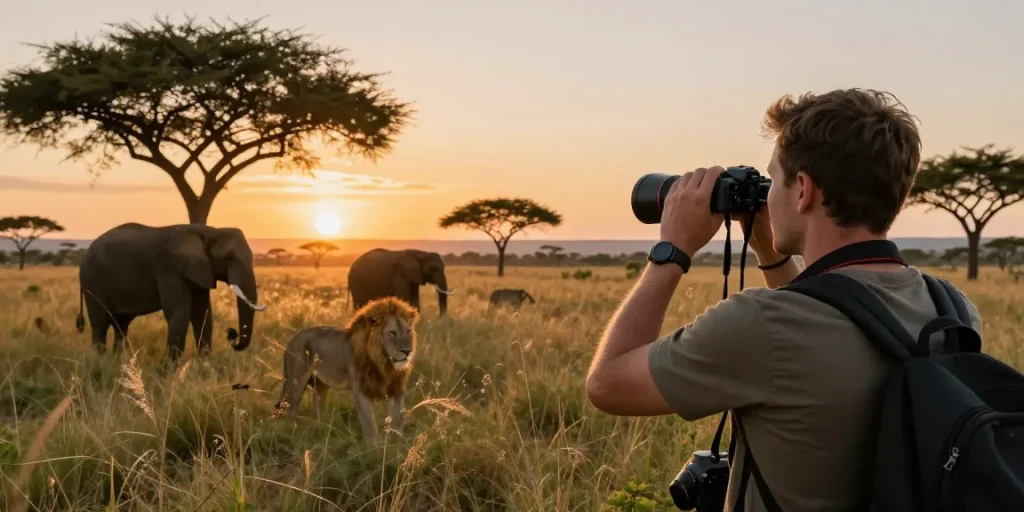
Visitors to Kidepo Valley can expect to see a rich array of wildlife, including elephants, lions, zebras, Rothschild’s giraffes, and numerous bird species, making it a prime location for wildlife enthusiasts.
What should I pack for my trip to Kidepo Valley?
Essential items include lightweight, breathable clothing, sturdy footwear, sunscreen, insect repellent, binoculars, and a refillable water bottle to stay hydrated while minimizing plastic waste.
Are there any safety concerns when traveling to Kidepo?
While Kidepo Valley National Park is generally safe for tourists, it is essential to follow all safety guidelines provided by tour operators, stay within designated areas during wildlife encounters, and take necessary health precautions.