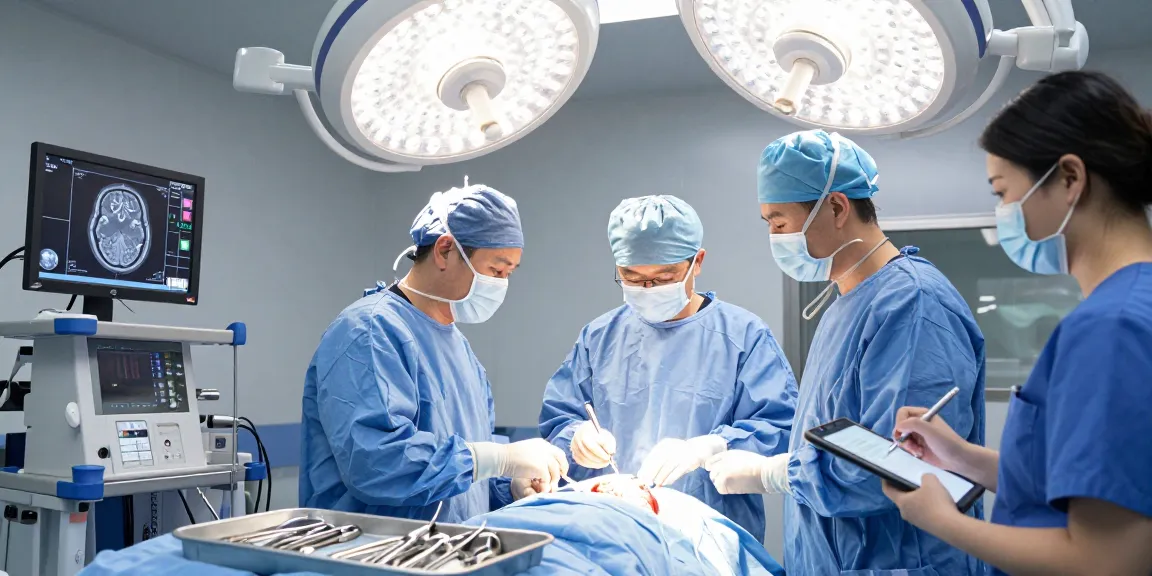
Understanding Beyin Ameliyatı
Beyin ameliyatı, a critical surgical intervention, encompasses a variety of procedures aimed at treating serious neurological conditions such as brain tumors, hemorrhages, and other life-threatening disorders. This multifaceted approach requires not only advanced surgical techniques but also a deep understanding of the underlying conditions being treated. As we explore the intricacies of Beyin ameliyatı, it is essential to recognize the evolving technologies and methodologies that enhance patient outcomes in this field.
What is Beyin Ameliyatı?
Beyin ameliyatı refers to a range of surgical procedures designed to correct, treat, or alleviate issues affecting the brain. These procedures may involve the removal of tumors, repair of blood vessels, or management of traumatic injuries. The primary objective is to improve the patient's quality of life while reducing the risks associated with neurological complications.
Common Conditions Treated with Beyin Ameliyatı
Several conditions may necessitate beyin ameliyatı, including:
- Brain tumors (malignant and benign)
- Subarachnoid hemorrhage (SAH)
- Acute and chronic subdural hematoma
- Aneurysms and vascular malformations
- Severe head injuries
Each of these conditions presents unique challenges and requires tailored surgical approaches to ensure optimal outcomes.
Essential Terminology in Neurosurgery
Understanding neurosurgical terminology is crucial for patients and their families. Key terms include:
- Kraniyotomi: A surgical procedure involving the opening of the skull.
- Endoskopik cerrahi: A minimally invasive technique using small incisions and cameras.
- Rezekisyon: The surgical removal of tissue.
Types of Beyin Ameliyatı
Neurosurgery is continually evolving, with various types of surgeries available for different conditions. Understanding these types can help patients make informed decisions about their treatment options.
Open vs. Minimally Invasive Techniques
Neurosurgeons commonly utilize two primary techniques: open surgery and minimally invasive approaches. Open surgery typically involves larger incisions and direct access to the brain, while minimally invasive techniques utilize smaller incisions, often leading to quicker recovery times. Minimally invasive methods, such as endoscopic surgeries, are increasingly preferred for certain conditions due to their reduced impact on surrounding tissues.
Awake Kraniyotomi: Procedure and Benefits
Awake kraniyotomi is an advanced technique that allows surgeons to operate while the patient is awake. This procedure is particularly beneficial for tumors located near critical brain areas responsible for speech and motor function. By keeping the patient conscious, surgeons can monitor neurological functions during the operation, ensuring vital areas are preserved and minimizing the risk of postoperative deficits.
Innovations in Brain Tumor Surgery
Recent advancements in technology have revolutionized brain tumor surgeries. Techniques such as intraoperative MRI and fluorescence-guided surgery enhance tumor visualization, allowing for more precise resections. Furthermore, genetic profiling of tumors helps tailor individual treatment strategies, leading to better outcomes.
Preparation for Beyin Ameliyatı
Proper preparation is essential for ensuring the success of beyin ameliyatı. Understanding what to expect can alleviate patient anxiety and improve surgical outcomes.
Preoperative Assessments and Tests
Before surgery, patients undergo a comprehensive evaluation, including imaging tests like MRI or CT scans, blood tests, and neurological assessments. These evaluations help establish the surgery's necessity and plan the surgical approach.
Patient Education: What to Expect
Educating patients about the surgery, potential risks, and postoperative care is crucial. Patients should be aware of what to expect before, during, and after the procedure, including possible side effects and the recovery process.
Anesthesia Options for Brain Surgery
Anesthesia plays a critical role in beyin ameliyatı, and decisions are made based on the surgery type and patient health. Options include general anesthesia, where the patient is completely unconscious, or local anesthesia, particularly in awake surgeries where only specific areas are numbed.
Postoperative Care After Beyin Ameliyatı
The care following beyin ameliyatı is as crucial as the surgery itself. Proper postoperative management can significantly affect recovery and overall outcomes.
Recovery Process and Timeline
Recovery from brain surgery varies depending on the procedure type and individual patient factors. Generally, patients may spend time in an intensive care unit (ICU) for monitoring before transitioning to regular hospital rooms. Full recovery may take several weeks to months.
Managing Symptoms and Side Effects
Postoperative symptoms such as headaches, fatigue, or cognitive changes can occur. These should be closely monitored, and patients should follow healthcare providers’ recommendations for managing these effects.
Rehabilitation Options for Patients
Rehabilitation is often necessary after beyin ameliyatı, especially for those who experienced neurological deficits. Physical therapy, occupational therapy, and speech therapy may be recommended to help patients regain lost functions and adapt to changes.
Costs and Insurance Coverage for Beyin Ameliyatı
The financial aspect of beyin ameliyatı can be a significant concern for patients and their families. Understanding the costs involved is crucial for effective planning.
Factors Influencing the Cost of Surgery
The cost of brain surgery can vary widely based on several factors, including the complexity of the procedure, the surgeon’s expertise, the hospital's location, and whether the patient has insurance coverage.
Insurance Options: What Patients Should Know
Patients should familiarize themselves with their insurance plans, as coverage can significantly affect out-of-pocket expenses. Engaging with insurance representatives to understand what is included is advisable.
Understanding Financial Assistance Programs
Many hospitals offer financial assistance programs for patients who may struggle with medical bills. These programs can help alleviate the financial burden associated with surgery.
What are the Risks of Beyin Ameliyatı?
As with any surgical procedure, there are inherent risks associated with beyin ameliyatı. These can include infection, bleeding, and neurological complications. A thorough discussion with the surgical team about these risks is essential for informed consent.
How Long is Recovery After Beyin Ameliyatı?
The recovery timeline post-surgery varies significantly. Generally, patients might begin feeling better within a few weeks, but full recovery, including rehabilitation, can take several months up to a year.
What is the Success Rate of Beyin Ameliyatı?
Success rates for brain surgeries depend on the type of surgery, the patient's overall health, and the complexity of the condition being treated. Generally, advancements in neurosurgery have led to improved success rates.
Are There Alternatives to Beyin Ameliyatı?
In some cases, alternatives to surgery may be considered, such as radiation therapy, chemotherapy, or pharmacological interventions, especially for certain types of tumors or less severe conditions.. Additionally, Beyin ameliyatı provides further details.