
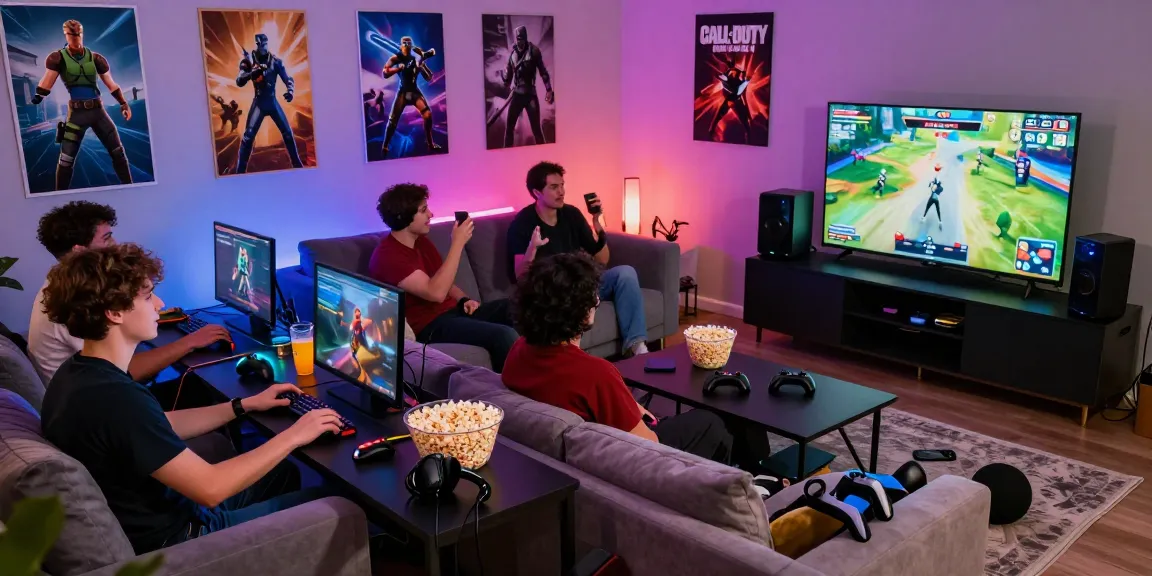
Understanding the Gaming Landscape in 2026
The gaming industry has undergone a significant transformation in recent years, and as we step into 2026, the dynamics continue to evolve. With advancements in technology and shifts in player preferences, understanding the current landscape is crucial for gamers, developers, and stakeholders alike. From revolutionary gaming technologies to the rise of immersive experiences, knowing what to expect can enhance your gaming journey exponentially. For instance, platforms like https://f168.games/ offer great insights into the latest developments and trends in the gaming world.
Current Trends in Gaming Technology
As of 2026, the gaming technology landscape is dominated by several trends that are reshaping the player experience. Cloud gaming has gained immense popularity, enabling gamers to play high-quality games without the need for expensive hardware. Services that offer game streaming allow players to access a wide library of titles from virtually any device, fostering inclusivity and convenience. Meanwhile, advancements in AI are being integrated into game design, with non-playable characters (NPCs) becoming more intelligent and responsive, creating more dynamic and engaging gameplay environments.
Moreover, the increase in cross-platform capabilities allows gamers to connect and compete regardless of their device, breaking down barriers that previously existed between console, PC, and mobile gaming. This shift towards a more unified gaming experience is expected to continue, enhancing community interaction and fostering competitive play.
Popular Game Genres in 2026
The variety of game genres available has exploded, catering to diverse player preferences. In 2026, action-adventure titles lead the charge, with immersive storytelling combined with gripping gameplay. The ongoing evolution of battle royale games remains a significant trend, further enhanced by seasonal updates and live events that keep communities engaged.
Furthermore, role-playing games (RPGs) are thriving, particularly those that embrace open-world mechanics, allowing players to explore intricate worlds and make meaningful choices that affect the narrative. Simulation games, including life simulators and city builders, continue to capture the imaginations of those who enjoy creative and tactical gameplay. Overall, the genre landscape is increasingly diverse, allowing players to find their niche.
Impact of VR and AR on Gameplay
Virtual reality (VR) and augmented reality (AR) technologies have changed how we interact with games, making them more immersive than ever before. In 2026, VR systems are more refined, with higher resolutions, better tracking capabilities, and more intuitive user interfaces, allowing for stunning gameplay experiences that transport players into fantastical worlds.
On the other hand, AR continues to blend the digital and physical realms, enabling players to engage with the game world while interacting with their surroundings. Popular titles leverage AR technology to create unique gameplay experiences, such as location-based quests and augmented challenges in everyday settings.
Choosing the Right Platform for Your Gaming Style
Deciding on the right gaming platform is crucial for optimizing your experience. With multiple options available, understanding their unique offerings and limitations can help you make an informed choice that aligns with your gaming habits.
Console vs. PC: What’s Best for You?
The age-old debate between console gaming and PC gaming continues into 2026. Consoles offer convenience and a more accessible gaming experience, as they often have plug-and-play capabilities for users. They also provide a curated library of games optimized for the platform. However, PCs offer superior flexibility, upgradeability, and performance, particularly for graphics-intensive games. Ultimately, the decision will depend on personal preferences, budget, and the types of games you enjoy.
Mobile Gaming: The Rise of Handhelds
Mobile gaming has seen an unprecedented rise in popularity, with a vast majority of gamers now engaging through their smartphones and tablets. In 2026, handheld devices have become more powerful, rivaling traditional gaming consoles in terms of performance. Titles designed specifically for mobile platforms often leverage touch controls, making them unique gaming experiences.
Additionally, the integration of cloud gaming technology into mobile gaming has made it possible to play console-quality games on the go, further propelling the mobile gaming sector. Whether you're on a commute or taking a break, the accessibility of mobile gaming is appealing to a wide demographic.
Selecting the Best Accessories for Enhanced Play
To enhance your gaming experience, selecting the right accessories is essential. From high-quality headsets that enable clear communication in multiplayer games to ergonomic controllers that ensure comfort during long gaming sessions, the right gear can significantly impact your performance and enjoyment.
Investing in a reliable gaming chair can also improve posture and support during extended play, while gaming mice and keyboards tailored for responsiveness can give competitive players an edge in fast-paced scenarios. Evaluating your gaming style and needs will help you make the right accessory choices to raise your performance level.
Effective Strategies for Multiplayer Success
As multiplayer gameplay continues to grow, developing effective strategies becomes paramount for success. Whether playing casually or competitively, understanding how to work with your team and manage in-game resources can vastly improve your performance.
Team Dynamics and Communication
Successful multiplayer games often hinge on effective teamwork. Communicating strategy and coordinating actions with teammates can make a significant difference in achieving objectives. Utilizing voice chat or in-game communication tools allows players to relay information quickly and efficiently, strengthening overall team performance.
Managing In-Game Resources Effectively
In many multiplayer games, resource management plays a critical role in overall strategy. Understanding how to allocate resources—such as health packs, ammunition, or building materials—can lead to victory or defeat. Team members should agree on resource distribution to maximize effectiveness, ensuring that high-priority players receive what they need to contribute effectively.
Learning from Top Players: Tips and Tricks
One of the most beneficial ways to improve is to observe and learn from skilled players. Many top-tier gamers share their strategies through streaming platforms or gameplay videos, providing insights into decision-making, positioning, and game mechanics. Additionally, practice and experience contribute significantly to skill enhancement, so dedicating time to play various roles can broaden your understanding of game dynamics.
Building a Gaming Community and Networking
One of the most rewarding aspects of gaming is the ability to connect with others who share similar interests. Building a community can enhance your gaming experience and allow for valuable networking opportunities.
Finding the Right Online Communities
Joining online forums, social media groups, or dedicated gaming platforms can provide you with invaluable resources and connections. Engaging with these communities allows you to share experiences, seek advice, and even collaborate on projects. Participating in discussions will expand your knowledge and help you meet new friends who enjoy similar gaming styles.
Participating in Esports and Tournaments
The esports industry has exploded in popularity, offering both casual and serious gamers an opportunity to engage in competitive play. Participating in tournaments not only hones your skills but also introduces you to a larger community of players. Many regional and global tournaments allow amateur players to test their skills against the best, often with significant prizes at stake.
Creating Content: Streaming and Social Media Engagement
Content creation has become a vital avenue for gamers to express their passion and entertain others. Streaming gameplay on platforms like Twitch or YouTube allows gamers to share their skills, engage with audiences in real-time, and build a following. Additionally, leveraging social media to share clips, thoughts, or experiences can create further engagement and expand your network.
Looking Ahead: Future of Gaming Beyond 2026
As we look towards the future of gaming beyond 2026, several emerging technologies and trends are poised to shape the industry landscape.
Emerging Technologies and Their Impact
Technologies such as artificial intelligence, machine learning, and real-time ray tracing are set to advance the capabilities of game design and development significantly. AI-driven narratives could lead to more personalized gaming experiences, while machine learning can enhance player matchmaking and difficulty scaling, ensuring that games always maintain the right challenge.
Predictions for Game Development Trends
Game development will likely shift towards more player-centric designs, emphasizing user-generated content and modding capabilities. This trend would allow communities to contribute directly to the games they love, fostering deeper engagement and creativity. Additionally, as subscription-based models become more prevalent, access to a wide variety of games will change what it means to be a gamer.
Potential Changes in Gaming Regulations
As gaming continues to grow, so too will the scrutiny on regulations surrounding loot boxes, microtransactions, and overall gaming ethics. Various countries are beginning to implement stricter laws to protect consumers, particularly minors. Developers will need to navigate these regulations carefully to ensure compliance while maintaining a profitable business model.
What to Expect in Gaming Innovations?
The gaming industry is on a constant quest for innovation, and the future promises more breakthroughs in gameplay mechanics, narrative storytelling, and player interactions. Expect to see more immersive experiences with brain-computer interfaces and other groundbreaking technologies that challenge the way we perceive gaming.
In conclusion, with the gaming landscape in 2026 evolving at an unprecedented pace, staying informed and adapting to changes will be essential for gamers and industry professionals alike. Embracing new technologies, understanding player preferences, and building connections within the gaming community will ultimately enhance the gaming experience.